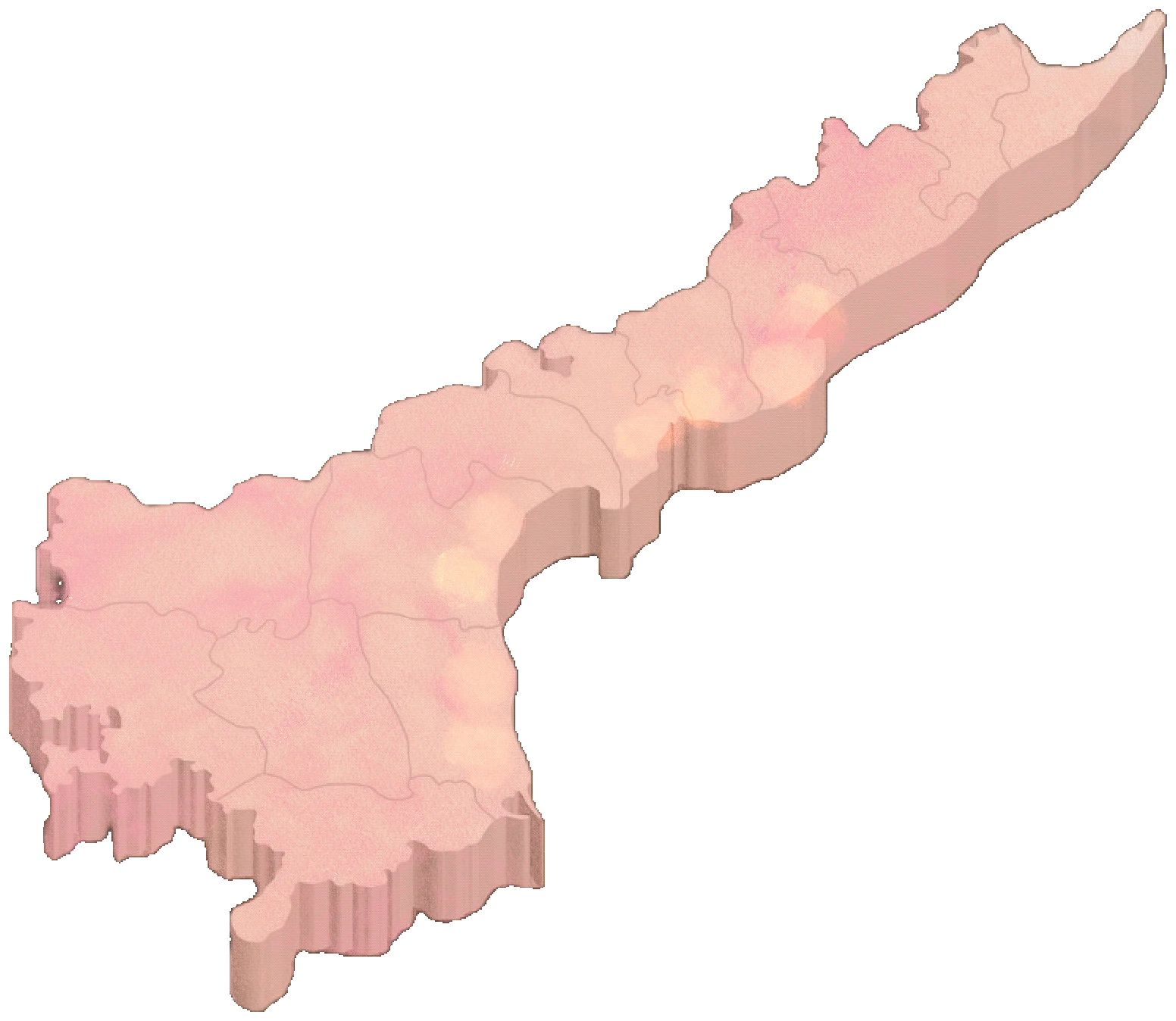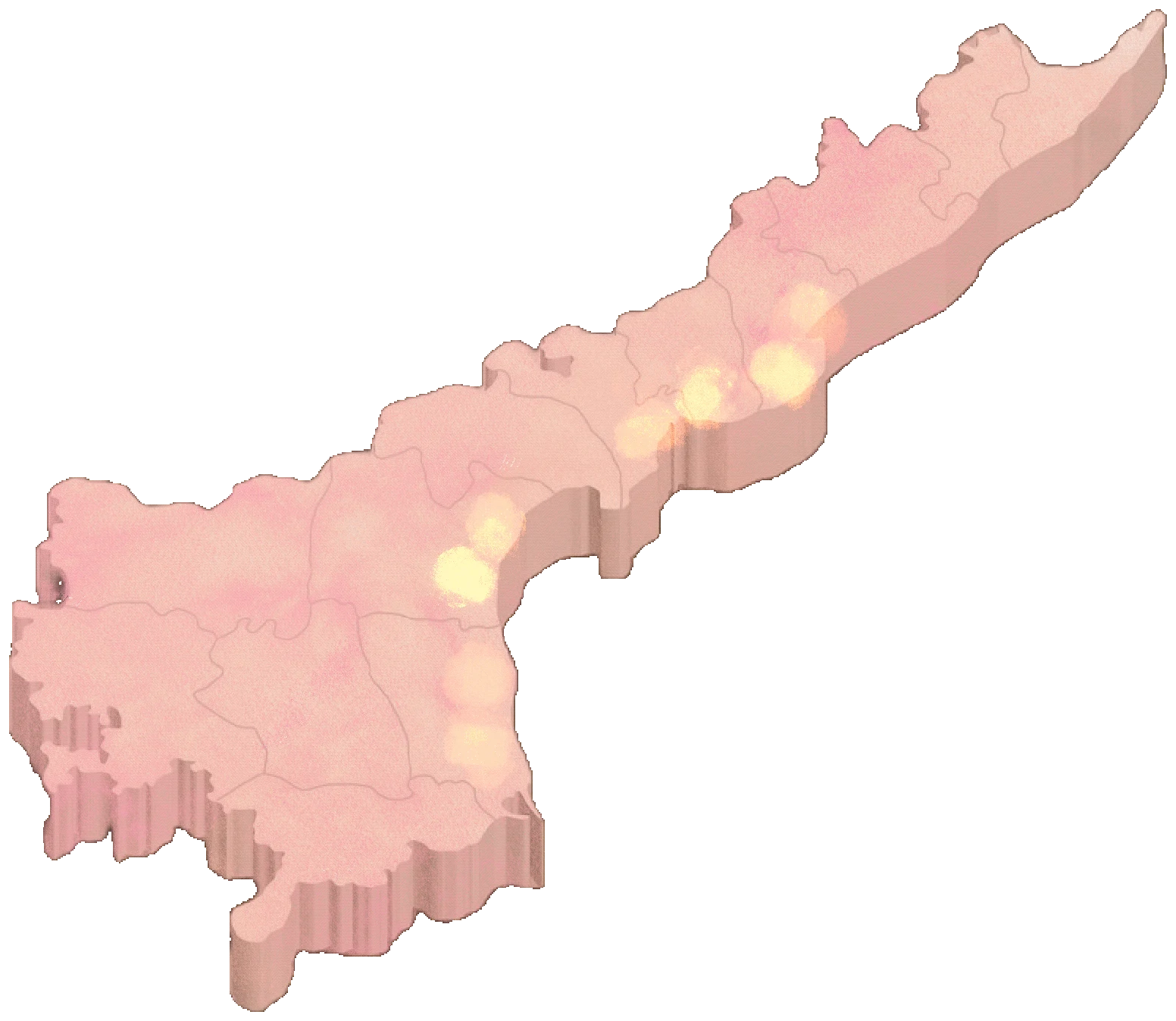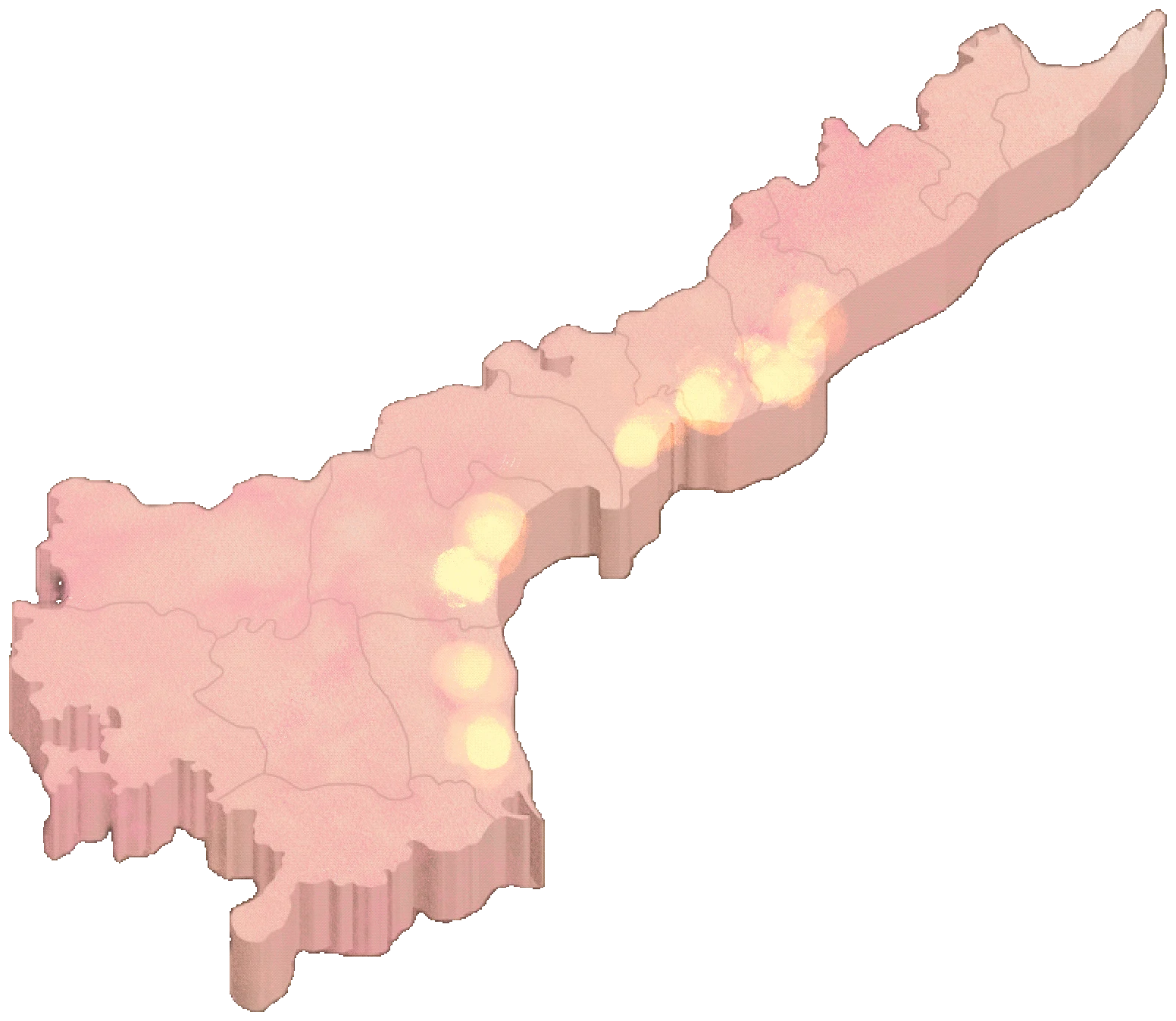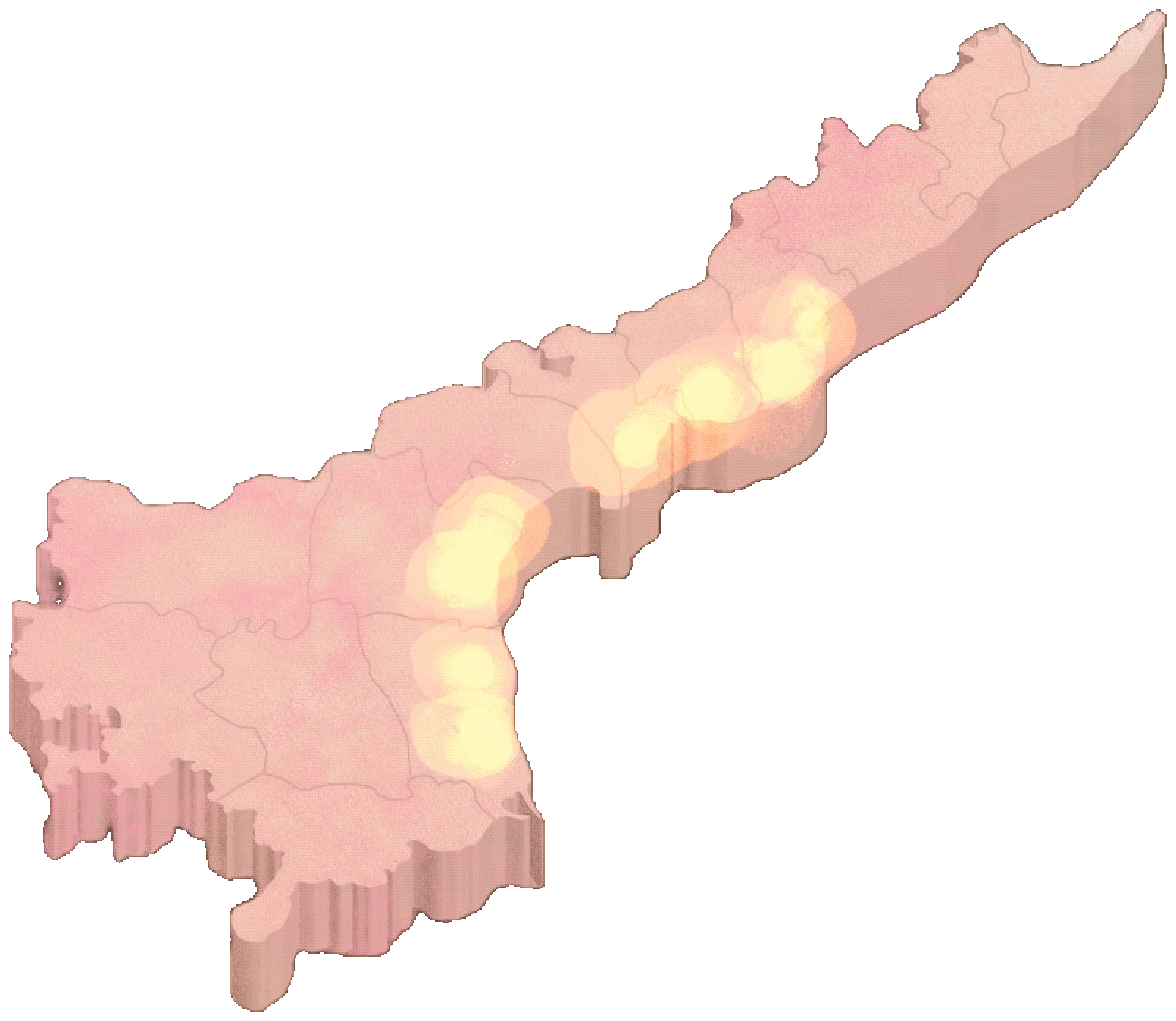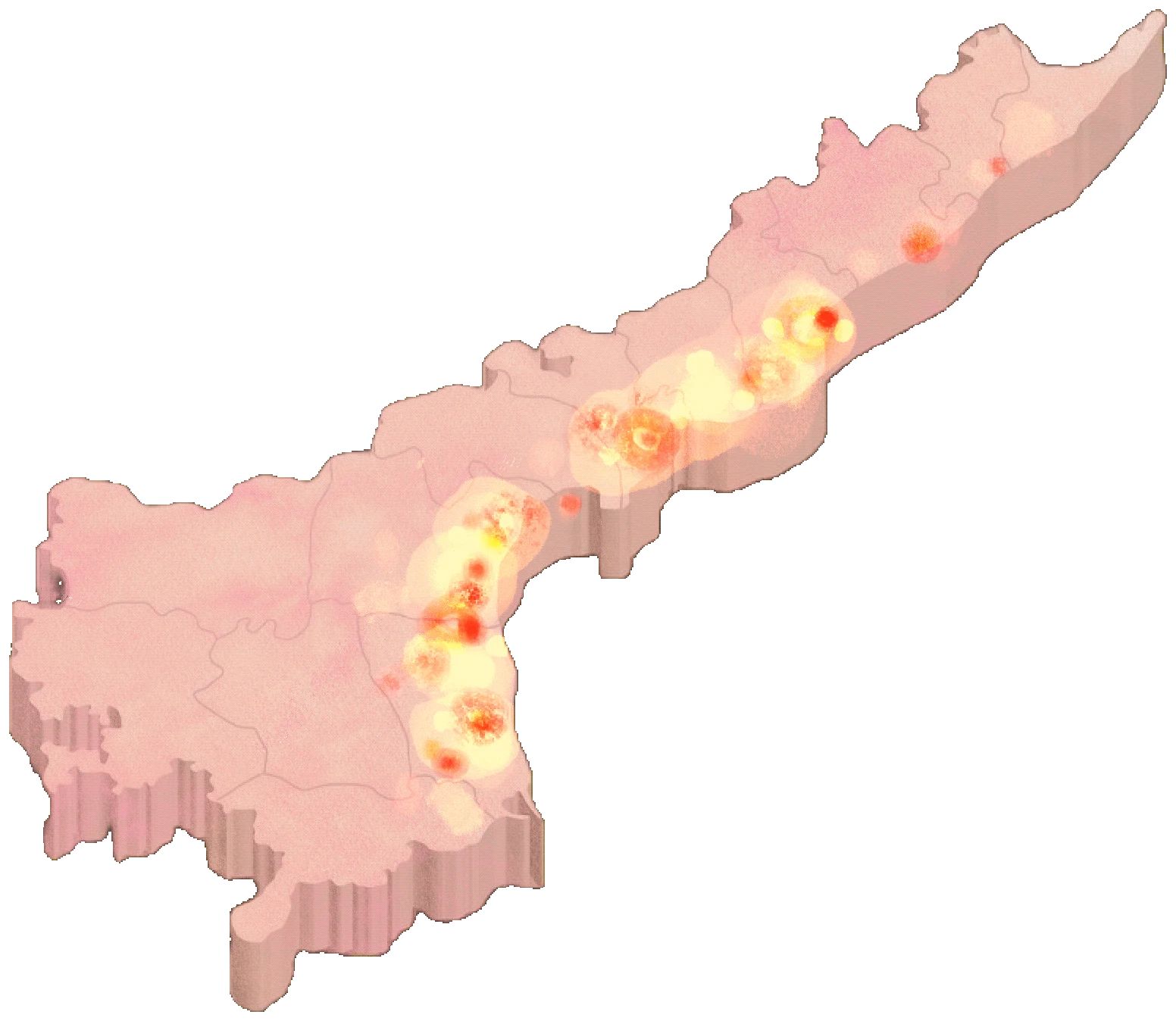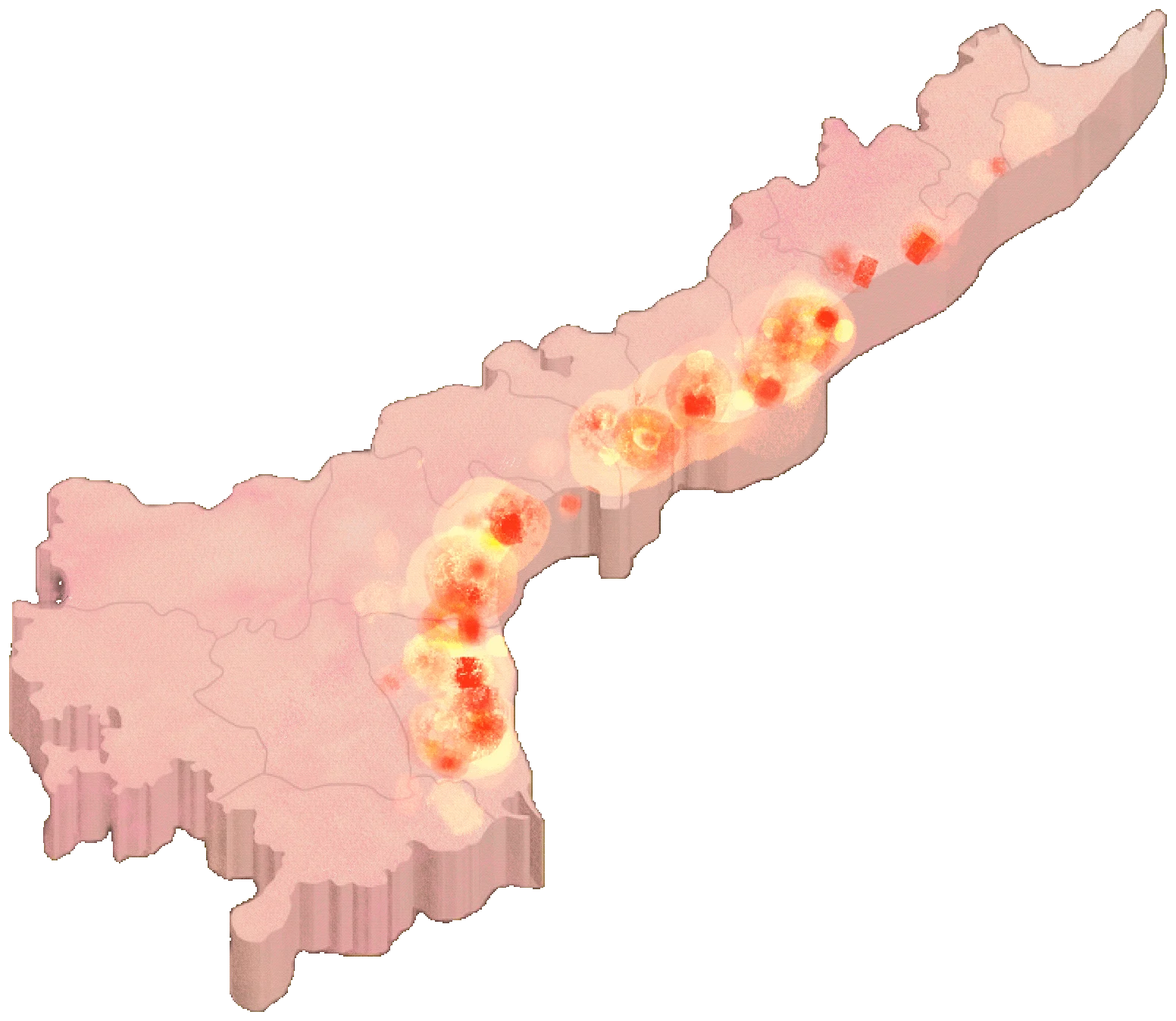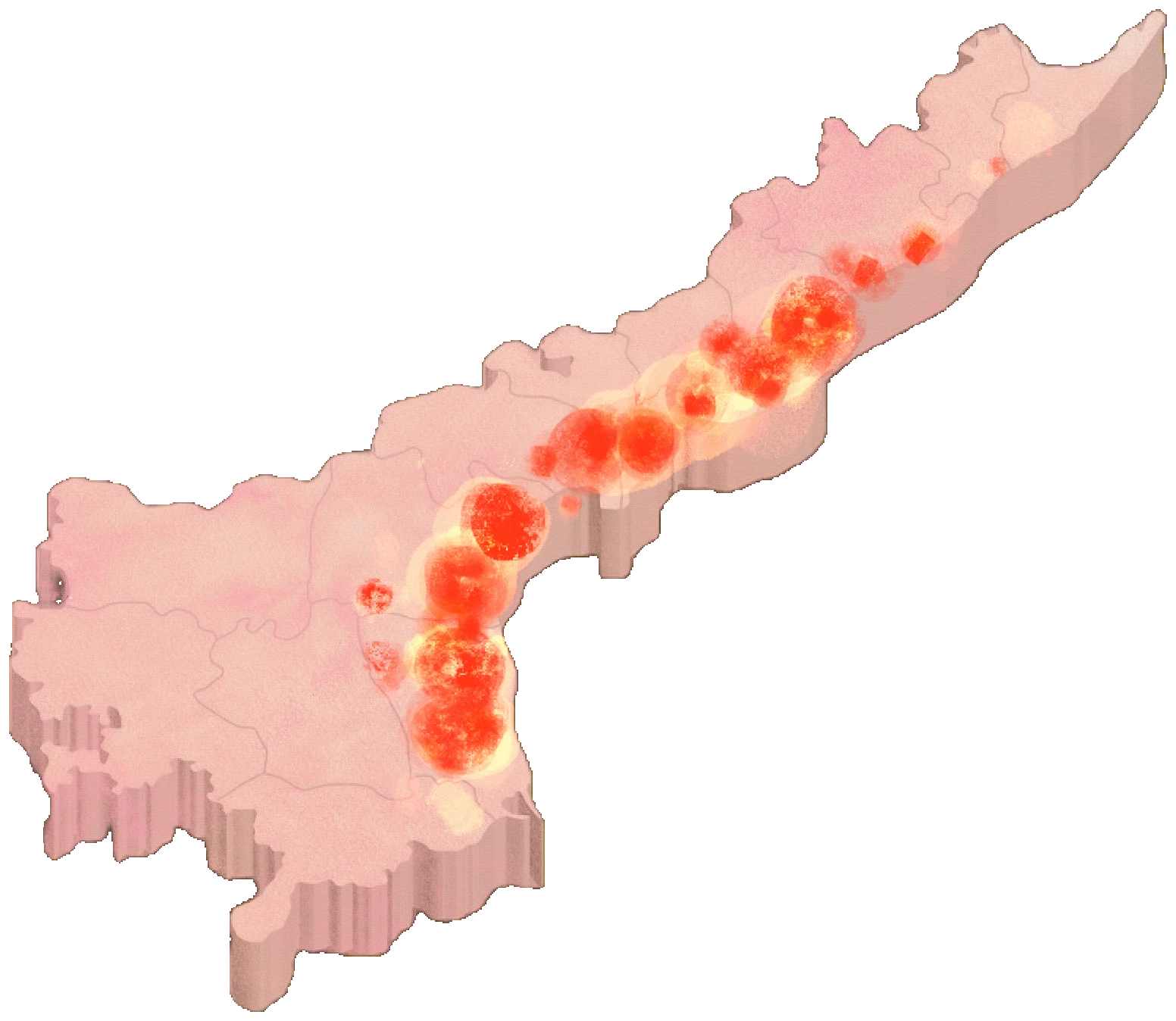
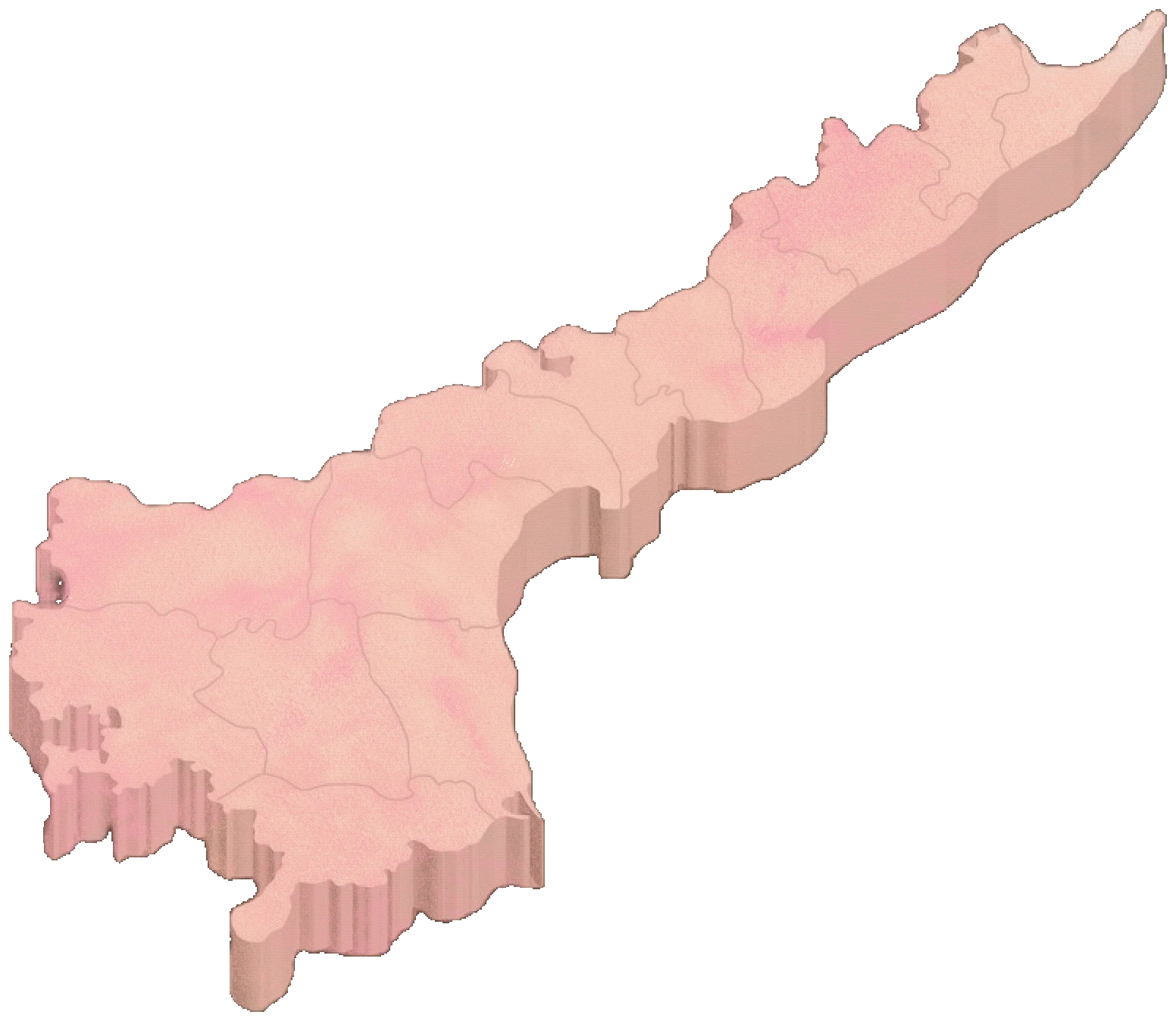
70% of all shrimp exported from
India comes from one state -
Andhra Pradesh.
scroll
70% of all shrimp exported from
India comes from one state -
Andhra Pradesh.
In the early 1980s, MPEDA introduced commercial
shrimp farming to the state with black tiger shrimp.
Shrimp farming began as small-scale experiments along Andhra Pradesh’s coast. By the late 1980s, hatcheries emerged, making shrimp seed more accessible to farmers.
Rising export demand made black tiger shrimp highly profitable. Farmers across coastal Andhra Pradesh began converting agricultural land into ponds, rapidly expanding cultivation.
White Spot Syndrome Virus (WSSV) devastated farms. Dense stocking, poor biosecurity and infected seed helped the disease spread, causing major losses.

Farmers adopted vannamei shrimp, introduced commercially in 2009. Faster growth, higher stocking potential and specific pathogen-free seed helped the industry boom again.
In 2024–25 India shipped 7.4 lakh tonnes of frozen shrimp, most of it farmed in Andhra Pradesh. Six markets took nine-tenths of it.
Source: MPEDA, India's frozen shrimp exports by market, 2024–25. The EU, South-East Asia and the Middle East are MPEDA's own groupings; their countries are lit approximately.
Shrimp illustration: Ryo Takemasa (placeholder). Step photos: Wikimedia Commons, credited at the foot of the page.
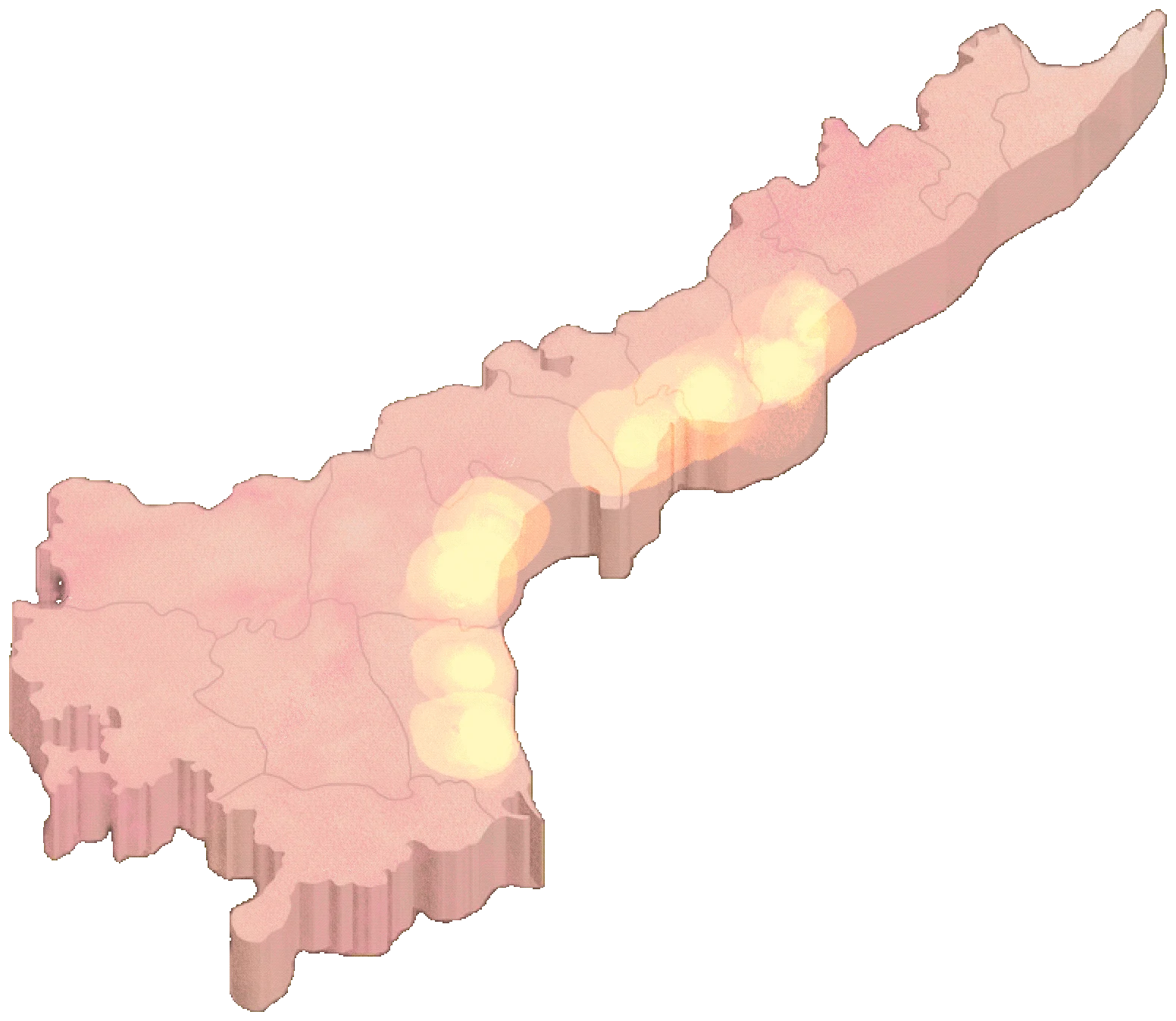
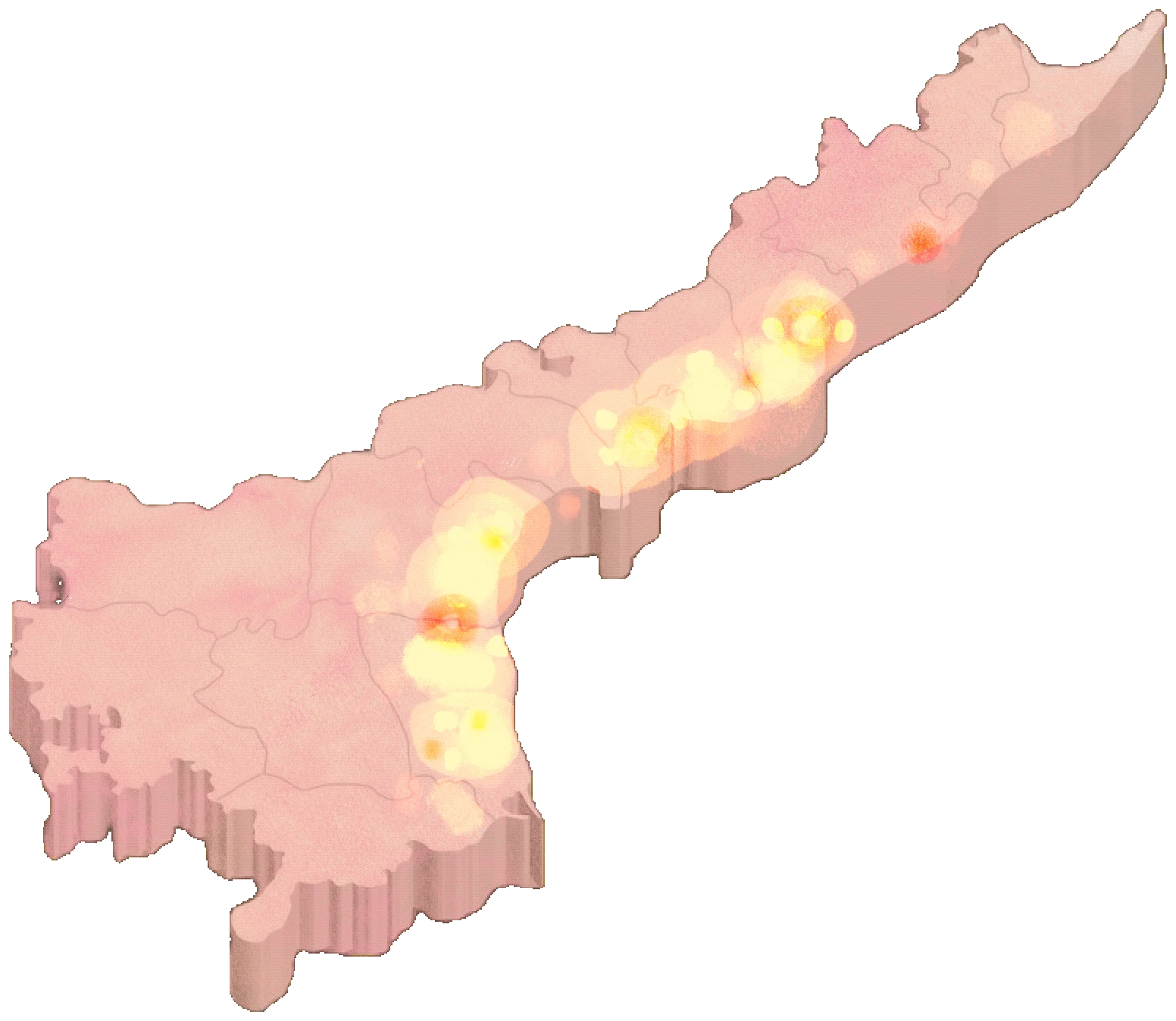
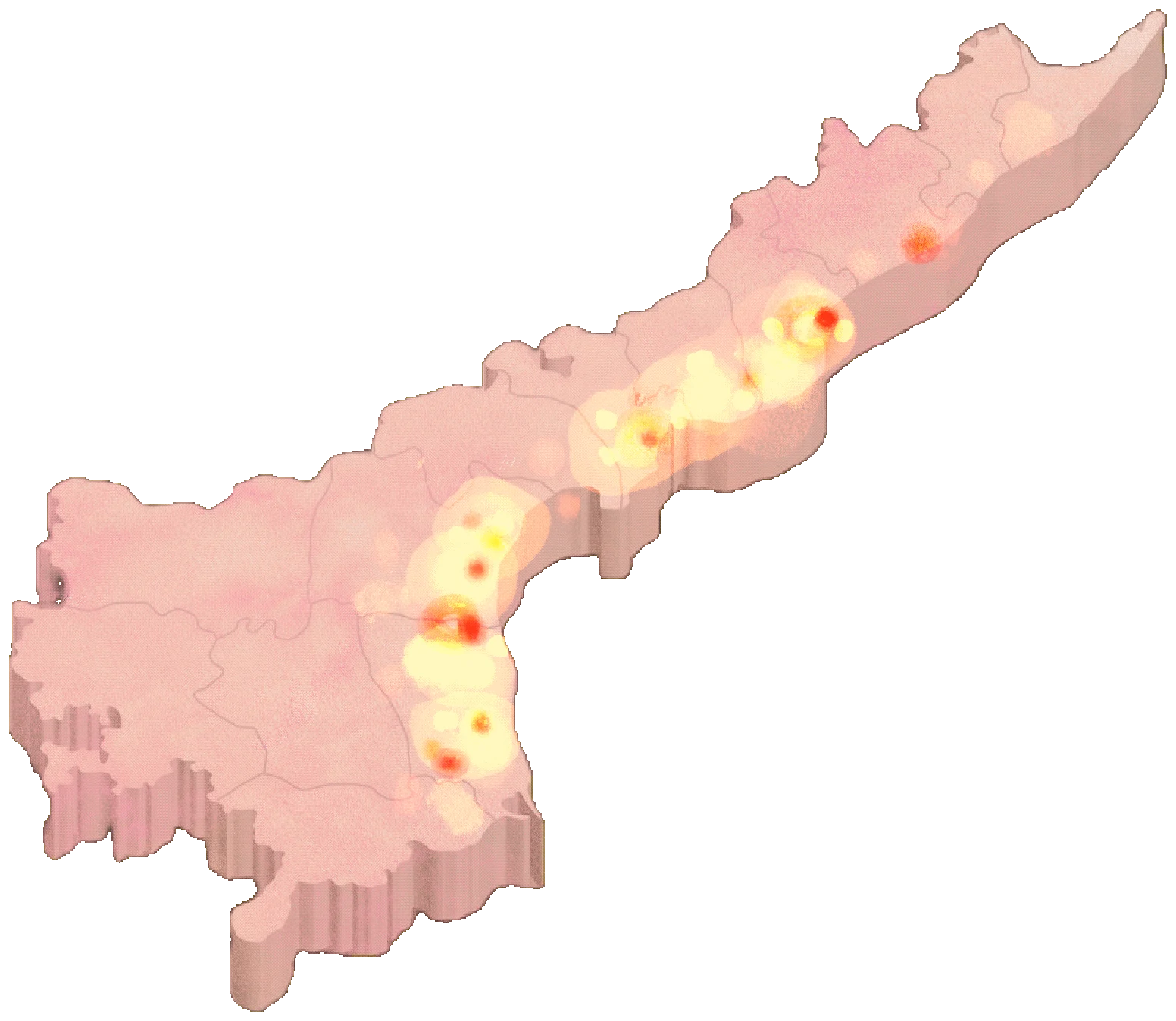
See how thickly shrimp farming covers the coast, district by district.
Density mapSee who is connected to whom in the Bhimavaram shrimp system: 87 actors and 119 links.
System mapFollow the shrimp from broodstock to buyer: 22 flows, from the breeding centre to seven destinations.
Supply flowSee how twelve risks, from disease to price swings, reach the eight actors across the chain.
Risk propagation